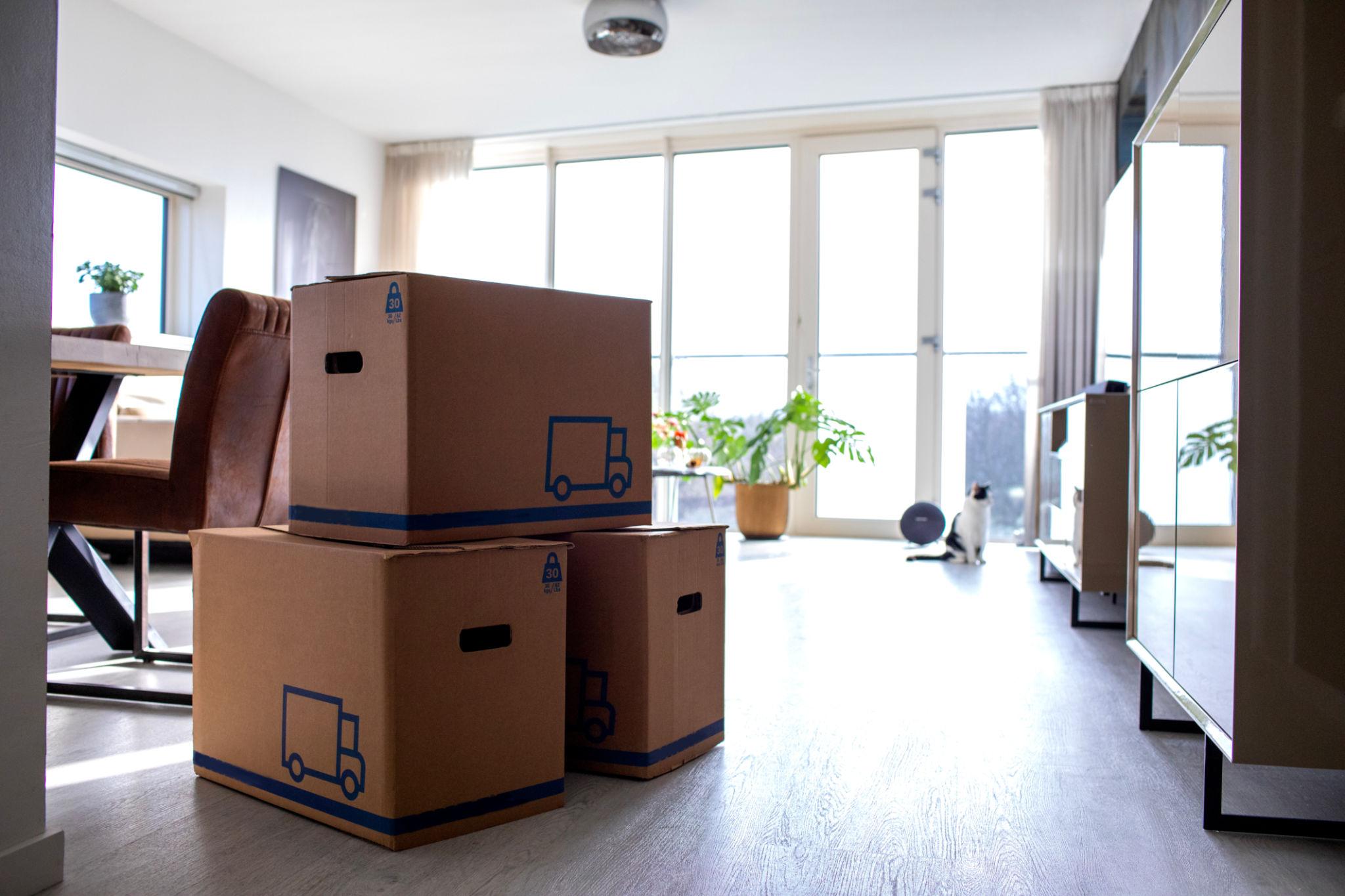
Quick Summary: How much do removalists cost in Australia? It depends on whether you are moving locally (charged by the hour) or interstate (quoted on total volume and transit distance). For a typical local move, rates generally vary based on crew size, alongside additional expenses like packing supplies, bond cleaning, and utility setup.
If you buy from a link, we may earn a commission.
When planning an Australian relocation, understanding the real cost of moving house requires looking beyond base hourly rates. To build an accurate moving budget, you must factor in your total furniture volume, property access (such as stairs or tight driveways), transit insurance, and essential utility connections.
How Removalist Pricing Works in Australia
Removalist costs vary considerably depending on your location, property layout, and total volume of furniture. Pricing models across Australia generally fall into two categories:
- Local Moves (Charged by Time): Local removalists generally charge an hourly rate based on crew size (typically 2 or 3 movers and a truck). These bookings often have a minimum charge, with two or three hours common, although minimums vary between providers.
- Interstate Moves (Usually Fixed-Price): Interstate relocations are commonly quoted as a fixed price based on total freight volume (measured in cubic metres, or m³), route accessibility, travel distance, and chosen dates.
📊 Indicative Local Moving Costs
These figures are broad planning estimates rather than fixed prices. Actual removalist costs vary by location, crew size, truck capacity, access, travel time, and the amount being moved.
| Property Layout | Avg. Truck Volume | Indicative Price | Booking Link |
|---|---|---|---|
| 1–2 Bed Unit / Apartment | 15 – 25 m³ | $300 – $650 | Compare Prices → |
| 3-Bedroom Family House | 30 – 45 m³ | $800 – $1,400 | Compare Prices → |
| 4+ Bedroom Large Property | 50 – 65+ m³ | $1,500 – $3,200+ | Compare Prices → |
Compare Verified Australian Removalist Quotes Instantly
Avoid overpaying by checking live market rates from vetted Australian carriers before confirming your calendar booking dates. Aggregating live quotes is the easiest way to secure reliable pricing:
6 Factors That Increase Removalist Costs
Beyond base hourly rates, several practical factors directly influence your final moving invoice:
- Property Access & Stairs: Multi-storey apartment buildings without lift access, narrow internal stairwells, or steep driveways that prevent close truck parking increase loading time and can incur access surcharges.
- Total Volume (m³) & Decluttering: For interstate moves, every extra cubic metre adds directly to the quote. For local moves, excess volume means more trips back and forth from the truck. Decluttering before your move date is the single most effective way to lower expenses.
- Heavy or Specialised Items: Items requiring extra manpower or specialised moving gear—such as upright pianos, pool tables, double-door fridges, and heavy stone tables—frequently carry flat handling fees.
- Moving Dates & Seasonality: Removalist demand peaks on Fridays, over weekends, and at the end of each month during lease changeover windows. Booking mid-week (Tuesday or Wednesday) or during winter off-peak periods generally secures better rates and availability.
- Travel Time & Depot Fees: Some local removalists charge a call-out fee or travel charge to account for travel time and fuel between their depot, your pickup address, and the destination.
- Professional Packing Services: Full-service packing ensures high transit protection and saves significant time, but it adds labour and material costs compared to DIY packing with your own boxes.
Need to calculate your specific moving budget?
Use our free calculator to estimate your required truck volume, packing supplies, and overall relocation expenses in seconds.
Open Free Moving Cost Calculator →Other Essential Moving Expenses to Budget For
When calculating your total moving house budget, removalist labour is only one component. Ensure you factor in these additional expenses:
📦 The Cost of Packing Supplies
Cardboard cartons, heavy-duty packing tape, butchers paper, and bubble wrap are essential. Sourcing packing bundles in advance is far more cost-effective than buying single boxes at retail on moving weekend. A typical 3-bedroom household requires between $200 and $400 worth of packing supplies to protect fragile items and kitchenware.
🏠 Overlooked Relocation Expenses
Avoid last-minute financial surprises by integrating these three common expenses into your moving budget:
- End-of-Lease Bond Cleaning: For tenants, professional bond cleaning is often necessary to ensure a complete bond return. Full vacate cleans (including oven and carpet steam cleaning) vary significantly depending on property size and condition.
- Short-Term Storage Units: If there is a gap between your settlement or lease dates, temporary self-storage or a mobile storage pod may be required. Monthly unit fees vary depending on unit volume and facility location.
- Comprehensive Transit Insurance: Standard home and contents policies rarely cover your belongings while they are in transit on a truck. Dedicated transit insurance protects against accidental damage, vehicle accidents, or rough road conditions over long-haul distances.
⚡ Connect Utilities & NBN Infrastructure
Relocating is the best time to review your energy tariffs and broadband plans. Arranging electricity, gas, and internet connections at least 3 to 5 business days before move-in day prevents urgent reconnection fees or offline downtime upon arrival.
🚚 DIY Fleet Alternatives & Commercial Van Hire
If you prefer a DIY move, hiring a suitable van or light truck can reduce labour costs. In Queensland, a Class C car licence generally covers vehicles up to 4.5 tonnes GVM, subject to the vehicle and licence requirements. Licence rules vary between states and territories, so check the requirements before booking a rental vehicle.