Quick Summary: A successful and damage-free relocation requires a strict moving day checklist. Focus on protecting the property and maximizing vehicle safety by securing loading pathways, protecting high-traffic flooring, wrapping large appliances with thick furniture blankets, and tying down heavy cargo with industrial ratchet straps to completely eliminate dangerous transit shifting.
Moving day is a high-speed logistical challenge where poor coordination instantly leads to property scuffs, broken furniture, lost rental bonds, or costly delays. Having the ultimate moving day checklist and the proper tie-down equipment on hand guarantees your removal crew can load and secure the truck efficiently without damaging external doors or internal walls. Whether you have hired professionals or are managing a DIY truck rental, structure is your best defense against chaos.
Essential Moving Day Equipment Matrix
Using correct heavy-duty moving assets safeguards large furniture pieces during loading and absorbs long-haul transit bumps. Ensure you have these items staged and ready before the moving truck even pulls into your driveway.
| Moving Day Equipment | Primary Trade Purpose | Estimated Price (AUD) | Recommended Source |
|---|---|---|---|
| Heavy-Duty Moving Blankets | Thick, quilted fabric wrap preventing scratches, dings, and surface scuffs on timber furniture. | $35 – $65 (Pack) | Check Prices → |
| Industrial Ratchet Tie-Down Straps | High-tensile load binding straps to secure heavy appliance rows inside the truck cargo hold. | $20 – $40 (Pack) | Check Prices → |
| Clear Plastic Storage Tubs | High-visibility, rigid containers for transporting essential ‘first-night’ survival items securely. | $15 – $35 (Each) | Check Prices → |
Morning Preparation: The First 2 Hours
Before the removalists arrive, you must take absolute control of the environment. Strip all beds immediately and pack the final linen boxes. Disconnect your washing machine, drain the hoses entirely into a bucket, and secure the internal drum if required by the manufacturer’s guidelines. Empty your fridge into iced coolers, aggressively wipe down the internal shelving to prevent mold growth during transit, and unplug the unit early so the compressor fluids have time to settle.
The 5-Step Moving Day Checklist Protocol
Follow this trade-grade chronological sequence on the morning of your move to protect your rental bond and keep your workflows highly efficient:
- Clear and Secure Access Pathways: Clear all main hallways, internal stairs, and external concrete porches. Remove loose rugs, slippery floor mats, and low-hanging potted plants. Creating wide, unobstructed access routes allows movers to run heavy items out quickly without tripping hazards.
- Protect High-Traffic Flooring Zones: Lay down thick cardboard sheets, specialized floor runners, or heavy drop cloths across your entryways and main hardwood or carpeted walkways. Constant heavy boot traffic during loading leaves deep scuff tracks and grimy dirt stains, severely complicating your final bond clean.
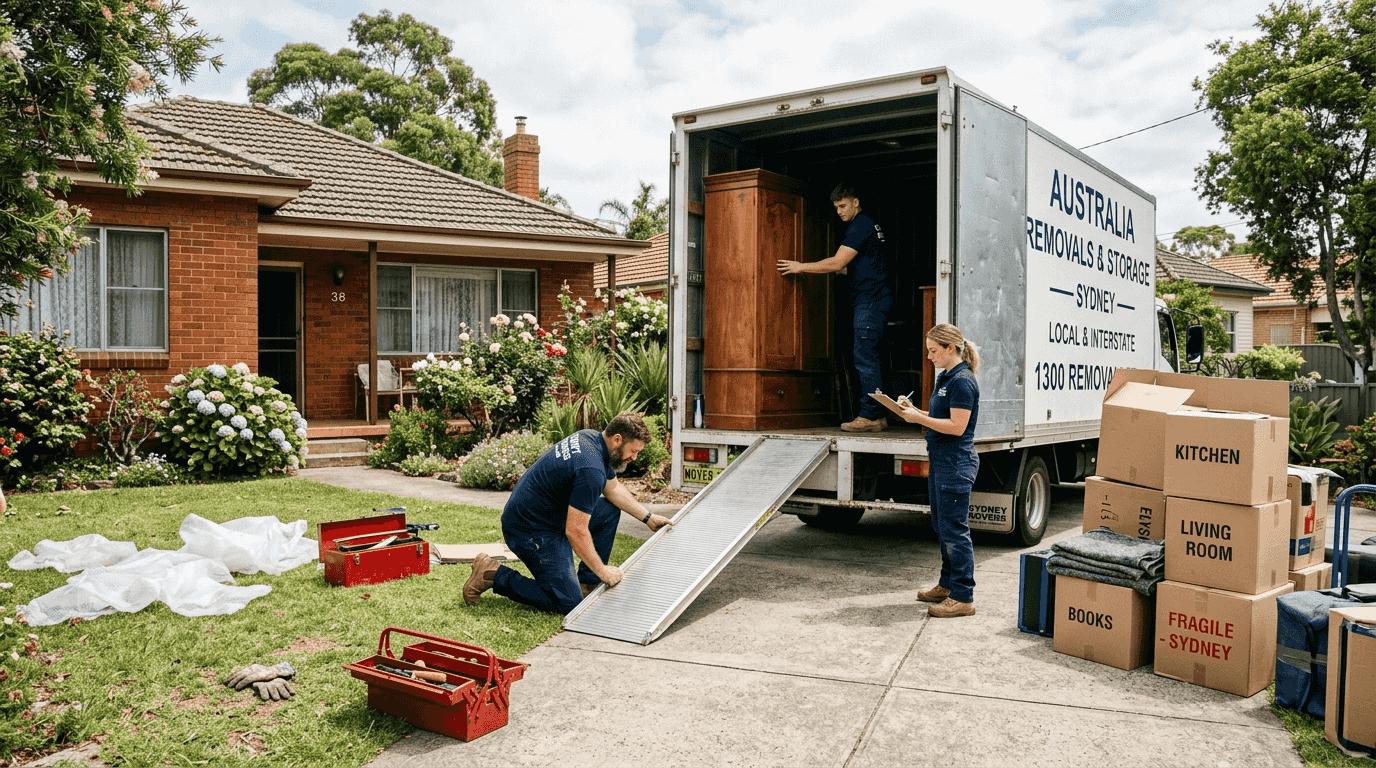
- Execute Appliance Prep and Blanketing: Wrap all major appliances and polished wood items securely in thick, quilted furniture blankets before they go out the front door. This cushions them against accidental structural impacts against doorframes or brickwork.
- Bind Cargo Tiers with Ratchet Straps: As the truck is actively being loaded, use heavy-duty tie-down straps to anchor completed furniture rows tightly to the vehicle’s internal steel rails. This locks the load in place and prevents top-heavy items from tipping forward when the driver brakes.
- Conduct a Final Property Walkthrough: Check every single room, high kitchen cupboard, built-in wardrobe, and outdoor garden shed. Look closely for forgotten phone chargers, hidden cleaning gear, or stray boxes. Document your final gas, water, and electricity meter readings with your smartphone camera before handing over the keys to the agent.
Packing Your First-Night Survival Box
After a grueling day of heavy lifting and cross-city driving, the absolute last thing you want to do is rummage through twenty identical, sealed cardboard boxes just to find a toothbrush or a clean towel. Pack a clear plastic tub specifically designated for your first 24 hours in the new house. This vital survival box should travel securely in the front seat of your personal car, never in the back of the moving truck. Essential items to include are basic toiletries, phone chargers, multiple rolls of toilet paper, a fresh change of clothes for the morning, daily prescription medications, a sharp box cutter for unpacking, and quick, non-perishable snacks to keep your energy up.
Connect Utilities & NBN Infrastructure
Ensure your electricity, gas, and broadband connections are scheduled to go live on move-in day so you aren’t left in the dark. Centralize your switch in one quick transaction.
Secure Your Rental Bond with Professional Cleaning
Passing your exit inspection is effortless when you book a guaranteed, professional bond clean. Let vetted experts handle the scrubbing while you focus on transit.
Professional Logistics Coordination
Using the correct structural tools, heavy-duty blankets, and strict packing protocols ensures a smooth transition. However, tracking competitive removalist rates or scheduling affordable DIY truck fleets can save you thousands of dollars on your overall relocation budget.